Physical Address
304 North Cardinal St.
Dorchester Center, MA 02124
Physical Address
304 North Cardinal St.
Dorchester Center, MA 02124

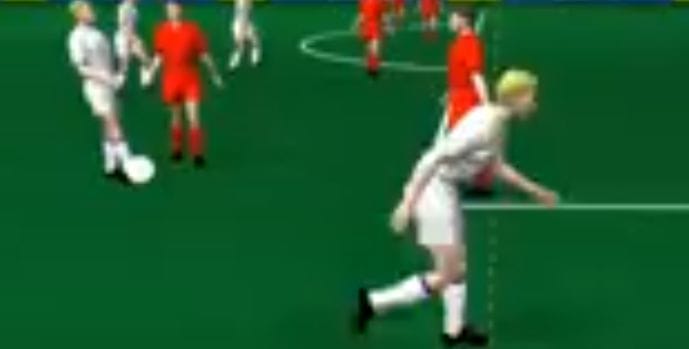
This is the eleventh law in association football which states that a player who is in an offside position should not be actively involved with the ball. A player is deemed to be offside if he or she is in the opponents half and close to the opponents goal than both the ball and the second to last opponent.
This is however a subject of interpretation of the referee who will award an indirect free kick to the defending team if an offside offence is committed. Goals that are scored from an offside position do not count.The assistant referee notifies the referee of an offside offence by raising his signal flag.
A player is in an offside position if he is in an opponent’s half of the field and closer to his opponent.s goal line than the goal and the second last opponent.However, one is no in an offside position if he or she is in the same level with the ball or behind it.
Committing an offside offence is when a player in an offside position interferes with play in the opinion of the referee.
Interference could be touching a ball passed or touched by a teammate or preventing an opponent from playing a ball. It could also be gaining advantage of being in an offside position like playing a ball that rebounds to him off a goal post or crossbar or an opponent having been in an offside position.
Football’s offside rule is tricky for even the most engaged fans to follow, and luckily it continues to be one of our favourite subjects to talk about over here at Football Knowledge, so come and dive into the history of the rule and how it affects play.
This rule was developed back in the nineteenth century at England public schools and was more strict than today.It was meant to stop lazy players who only waited in the goal area to get easy goals.Like in rugby, a player was deemed to be in an offside position if he was standing in front of the ball as forward passes were banned.
However the original Sheffield rules did not have offside rules so players usually known as kick-throughs used to position themselves near the opponents goal permanently.Different schools had different rules and so competitions were always problematic.
Students who used to play for their schools joined university and continued to play football.Everyone had their own rule and there was always a brawl.The students at Cambridge University decided to codify rules to use to avoid this brawls. The Cambridge rules became the first rules of the national football association.
The rules required that for one not to be adjudged to be offside , three defenders had first to be in front of him and the goal. This rules was more conservative and goals were hard to come by. It was changed to two defenders so as to increase scoring in matches. Scoring went up by 35% the year that this was adopted.The current offside rule outlined above was adopted in 1990.
It is important to understand if one is offside or on side.One will be offside if he or she is near to the opponents line than the goal and the last opponent.However one is not offside when he or she is in the same level with the second last opponent or is near his own half of the field.
There shall also be no offside if you receive a ball directly from a goal kick,throw in or a corner kick.However this offside rule applies to direct free kicks or indirect free kicks. Play is normally stopped when an offside infraction is called and the opponents are given an indirect free kick.
Being offside happens when an attacking player goes behind the line of defenders before he is given the ball .This occurs when the attacking player gets involved in playing the ball or interferes with a defender or goalkeeper.
It also only occurs in the opponents half and when the attacking player is close to the goal than the last two opponents players and the ball.When the assistant referee notices that an offside player has interfered with play, he or she will raise the flag to signal the offence to the referee. A goal that could have been scored in an off side position or any other decision made is cancelled .
Further reading: Offside Rule – Wikipedia
Watch the video for Complete explanation of offside rule